
Content that gets people's attention, keeps them interested, and gets them to act is what every business wants. But what if you could write content that people will wish to read next instead of just responding to what's hot right now? That is where content marketing that predicts comes in. It means using data, AI, and thoughtful planning to guess what your audience will want and need, and then making content ahead of time to make sure you're always relevant.
Read on as we go into the meaning, significance, best practices, new trends, examples, potential problems, and immediate ways of integrating predictive content marketing into your content strategy.

In today's digital world, trust is everything. When people search online, they aren't just looking for information; they're seeking brands they can trust. And often, that trust is built before a single conversation takes place. It's shaped by what they see, read, and experience on your website.
A smooth, fast, and helpful online presence signals professionalism, while clunky, outdated pages can deter potential customers. Smart SEO isn't just about rankings, it's about creating confidence.
Done right, it transforms search results into proof that your brand is credible, dependable, and worthy of attention.
If you've been treating October through December as the industry's "off-season," you're not just missing chances. You're handing revenue to rivals who know Q4 can be one of your best quarters. Other pest control companies hibernate right along with the summer bugs. Smart owners cash in on a rare mix of three things: pest behavior, consumer psychology, and commercial budget cycles.
Picture this. It's 3 PM on a Tuesday in November, and you're staring at a half-empty schedule for next week. Your phone isn't ringing like it did in July, and you're wondering how you'll keep your technicians busy all winter. Meanwhile, just down the road, your competitor is booked solid through January because they cracked the code on Q4 marketing.
Think of Q4 like a farmer's harvest season. It's not when you plant new crops, it's when you reap what you've built all year. Here's the twist: in pest control, this harvest can actually exceed your spring and summer yields if you play your cards right.
The numbers tell a different story than conventional wisdom does. Rollins, Inc. reported revenue of $832 million in the fourth quarter of 2024, up 10.4% over the year before. That's not exactly "slow season" performance from one of the industry's biggest players.
This guide lays out 12 revenue-building strategies that turn Q4 from a survival stretch into a payday. From October prep through December fine-tuning, you'll see how to catch the seasonal shift in demand, own the holiday marketing window, and lock in the repeat revenue that sets up your whole next year.
Why Q4 Isn't the "Off-Season" (Market Reality Check)
The Numbers Don't Lie
The pest control industry has been quietly thriving during what many call the "slow months." The U.S. Pest Control market was worth $13.51 billion in 2024, and it should reach $20.04 billion by 2032, riding a compound annual growth rate (CAGR) of 5.05%. (Source: Verified Market Research)
Q4 looks even better once you count recurring revenue. The National Pest Management Association reported that in 2024, recurring revenue made up 85.2% of the home service segment. That much contract income means Q4 isn't just about new sales. It's about locking in yearly renewals, and those renewals are the backbone of your books.
Here's Seth Garber, CEO of Pest Daily, on keeping customers: "The faster that we can take control of the discussion, the faster that we can create comfort in our organization, the faster that we can give them a description that makes logical sense, and the faster that we can get a credit card on file, the longer they're going to stay. The second their stress elevates, they become a commodity." That matters most in Q4, when stress runs high while people get ready for the holidays.
Pest Behavior Creates Opportunity
When it turns cold outside in fall and winter, all kinds of pests head indoors. Orkin notes that rodents, cockroaches, spiders, and overwintering insects like stink bugs all want the same three things: warmth, food, and shelter. It's hard-wired.
That shift changes how customers search, too. Search engine trends show distinct spikes in user queries for terms like "rodent control," "mouse in house," and "indoor pest control" during fall and winter months. What buyers want moves in lockstep with what the bugs do. That makes the marketing opportunities predictable, like knowing exactly when the fish will bite.
Consumer Psychology Meets Holiday Reality
In the fourth quarter, the home turns into what behavior researchers call a "sanctuary space." It's the hub for family life, comfort, and celebration. Cold weather plus big holidays like Thanksgiving and Christmas raise the home's role as a safe place for togetherness and tradition.
In that setting, a pest problem is more than a hassle. It's a gut punch that breaks into the family space at the most meaningful time of the year. Deloitte's 2023 holiday survey found a clear shift toward spending on experiences and hosting at home. That makes a pest-free house matter even more.
Holiday preparation turns up problems, too. People deep clean for guests, retrieve decorations from attics and basements, and spend time in rooms they ignore all summer. That's how they find pests they never noticed during warmer months. So Q4 brings a natural surge of "problem-aware" customers who want help right now.
Commercial "Use It or Lose It" Budget Dynamics
Plenty of businesses and government agencies close their fiscal year on December 31, and their budget rules don't roll unused money forward. In2communications explains that this setup puts real pressure on facility managers and operations directors. They have to spend what's left before it's gone.
For these clients, don't sell pest control as nice-to-have. Sell it as basic facility maintenance, health compliance, and brand protection. A well-timed Q4 service deal lets a manager use this year's money to head off bigger, costlier problems next year. It's like buying insurance with cash that would vanish anyway.
The Customer Retention Goldmine
What makes Q4 pay isn't just new customers. It's the chance to lock in the ones you have for the year ahead. Smart owners know that customer retention strategies deliver 5-7 times better ROI than campaigns chasing new names.
That hits home in Q4. Stress runs high while people get ready for the holidays, so clear, kind communication matters more than ever.
The Q4 Marketing Calendar: Month-by-Month Strategy
October: "Prevention & Preparation"
Strategy 1: Shift Your Service Messaging
You have direct control over your own website, so that's the best place to start. Swap the generic summer pest imagery for visuals that fit Q4 worries: a cozy home, sealed up against winter threats. Then work on conversion rate optimization so your seasonal message turns into real bookings. Rewrite your homepage headline, too. "Keep Your Home Cozy & Pest-Free All Winter" beats plain old "pest control services."
Which service pages you push matters just as much. Give "Rodent Control," "Wildlife Exclusion," and "Cockroach Control" top billing in your menus and your internal links. Add seasonal sections to those pages, too, like "Why Rodents Invade Homes in Fall" and "Signs of Winter Pest Activity."
Swap the generic calls to action across your site. Instead of "Get a Free Quote," try "Schedule Your Free Winter Pest Inspection" or "Get a Quote for Rodent Exclusion Services." A CTA that names the season feels more relevant, and it converts better.
Strategy 2: Launch Proactive Exclusion Campaigns
October is your best shot at selling prevention instead of reaction. Think umbrellas before the storm hits. Send email marketing campaigns to your current customers with 10-15% off exclusion work booked in October. Lead with getting ahead of the problem: "Seal Your Home Before Winter Visitors Arrive."
Educational content builds authority and brings in leads. Publish blog posts written for search engines like "5 Ways to Rodent-Proof Your Home Before Winter" and "Identifying Common Overwintering Pests." Shoot short social videos of your techs sealing the spots pests use to get in. That content does two jobs at once. It proves you know your stuff, and it generates organic traffic from seasonal searches.
November: "Holiday Urgency & Black Friday"
Strategy 3: Holiday-Ready Home Promotions
Tie your November marketing straight to holiday prep. Write posts that speak to hosting worries, like "Protecting Your Thanksgiving Feast from Pantry Pests" or "How to Ensure Your Home is Guest-Ready and Pest-Free."
That mental switch into hosting mode opens doors. Frame pest control as part of holiday prep, right next to deep cleaning and decorating. Tap into the wish for a perfect family gathering: "Don't let uninvited guests crash your holiday party."
Strategy 4: Black Friday Annual Contract Special
Black Friday is one of the year's best days to close service work. Skip the flat discount on a one-time job, and build the offer to feed high-value recurring revenue instead. Try "$100 Off Your First Service" when a customer signs up for a new yearly pest control plan.
The psychology here works in your favor. Your customer feels like they scored a real deal, which is what they came for on Black Friday, and you lock in revenue that dwarfs the discount. It's like trading a twenty-dollar bill for a hundred-dollar bill that pays you back all year.
Use countdown timers and limited-time wording to make the deadline feel real. Email marketing does the heavy lifting here, so send a multi-part email series to your lead list to build anticipation ahead of the offer. Then feature the promotion on your homepage, with its own landing page that spells out what an annual plan gets them beyond the savings.
Strategy 5: Commercial Budget Outreach
November is the key month for B2B outreach about leftover budget. In2communications points out that facility managers are hunting for ways to spend what's left before the fiscal year ends.
Hand your sales team email templates that frame pest control as smart money planning: "Turn your remaining 2025 operational budget into a 2026 asset. Lock in current pricing while ensuring facility compliance and protection."
Run LinkedIn ads at specific job titles: Facility Manager, Operations Director, and Property Manager. Aim at fields like hospitality, healthcare, and food service. Then give them a reason to answer: "Use your 2025 budget to solve 2026 problems before they become expensive emergencies."
December: "Peace of Mind & New Year Planning"
Strategy 6: Emergency Holiday Services
December is prime time for premium emergency work. When someone spots a pest right before a holiday party, they need help now and they don't shop on price. So market your emergency response hard: "We'll handle the pest problem so you can handle the family gathering."
Promote emergency service through every channel you have. Run Google Ads on urgent searches. Post social media marketing campaigns about your open slots. Email your current customers who might need fast help. Charging a premium for holiday emergencies is fine, and people expect it. They know what the timing and the stress cost you.
Strategy 7: Gift Card Promotions
Sell pest control gift cards as useful, thoughtful presents. That's less odd than it sounds. New homeowners, older relatives, and busy professionals all make sense as gift recipients. Email your current customers with a line like this: "Give the gift of a pest-free home. It's the perfect present for new homeowners or anyone who values a clean, safe living space."
Add value to the offer, such as "Purchase a $200 gift card and receive a $50 bonus service credit." That lifts your average sale and puts your work in front of new customers.
Strategy 8: New Year Contract Launches
December is the ideal month for a "New Year, Pest-Free Home" campaign, because resolution psychology does some of the selling for you. Offer a bonus incentive to anyone who buys an annual plan in December. A free mosquito treatment the following summer works, and so does a free quarterly inspection.
Tie the message to fresh starts and getting ahead of trouble: "Start 2026 with a pest-free foundation. Lock in your annual protection now and enjoy peace of mind all year long."
Advanced Q4 Tactics: Market Gap Exploitation
Strategy 9: Strategic Partnership Marketing
Go past simple referral trading. Set up formal cross-promotion partnerships with other seasonal service companies. Think of it as a network of allies who feed each other quality leads and add value for their customers. It's like having eyes and ears all over your service area.
Holiday Lighting Installers: These crews spend hours on ladders and rooflines. That's the best seat in the house for spotting where pests get in. Set it up so the lighting crew offers clients a discounted pest inspection and earns $25-50 per referral. Their customer gets something useful, too. Print co-branded cards they can leave behind: "We noticed some potential pest entry points while installing your lights. Our partner [Your Company] can provide a free inspection."
Chimney Sweeps: Most people clean the chimney in fall before they fire up the heat. A sweep can spot signs of animals getting in and send that client your way for wildlife exclusion. Pay sweeps $50 for each wildlife exclusion job that closes, and keep the tracking simple.
HVAC Companies: A yearly furnace tune-up puts a tech in the basement and the utility room, where pests love to hide. That tech can spot rodent signs and hand you the lead. The technician earns a commission, and the customer fixes a problem before it gets worse.
The trick is a genuine win for both sides. Your partner genuinely helps a customer and earns referral money worth having, which beats swapping business cards at a networking mixer.
Strategy 10: Customer Reactivation Engine
The Q4 marketing that pays best works your own customer list, not costly new-name hunting. That lines up with proven customer retention principles showing that current customers cost 5-7 times less to keep than new ones cost to win. Research shows that acquiring new customers costs five to seven times more than retaining existing ones. And Epic Notion notes that a mere 5% increase in customer retention can increase profits by 25% to 95%.
Use your CRM data to build lists of "dormant" customers. Those are the folks who haven't bought a service in over nine months. Then run personal "We Miss You" email and text campaigns in November with a real offer: "Come back to our family and get a FREE winter rodent inspection. Plus, we'll lock in your old pricing for your 2026 service plan."
Systematic Renewal Timeline:
- 75% Contract Completion: Begin renewal conversations with a value recap email
- 9-Month Mark: Send "Renewal Benefit Reminder" highlighting value received
- 10-Month Mark: Present formal renewal offer with 5-10% loyalty discount or bonus service
- 11-Month Mark: Final renewal push with urgency messaging
If a contract ends in Q1 or Q2 of next year, start the renewal conversation at the 75% mark of the current one. Get ahead of it and you cut churn, and you also keep competitors from poaching that account during the spring rush.
Strategy 11: Niche Service Opportunities
Q4 opens up service opportunities that competitors tend to overlook:
Holiday Decoration Storage Pest-Proofing: Lots of homeowners find pest problems while hauling decorations out of an attic, basement, or garage. Sell a special service in late December and January: "Protect Your Cherished Holiday Memories. Pest-Proof Your Storage Areas." You inspect the storage space, treat for common pests like spiders and silverfish, and show them how to store things safely. Price it at $150-200 and aim at homes with holiday collections worth real money.
Pantry Pest Prevention: All that holiday baking means more flour and sugar sitting around, which raises the odds of pantry pests like Indian meal moths and flour beetles. Run a campaign for "Holiday Kitchen Protection," which covers a pantry check and a preventive treatment. Aim it at families hosting a crowd, and talk about protecting pricey holiday baking supplies.
Post-Holiday Cleanup Add-ons: Once the holidays end, offer to check and treat the rooms that took heavy foot traffic or a lot of food. It's an easy upsell for current customers and a simple first job for new ones.
Strategy 12: Measurement & Optimization
To win Q4, measure what pays, not what flatters your ego. A comprehensive set of digital marketing measurement strategies lets you track ROI accurately on every channel.
Track these key KPIs:
Customer Acquisition Cost (CAC): Track it separately for brand-new customers and for win-backs. The split shows how much better retention work pays. CAC on a win-back should run $20-50, against $150-300 for a new customer.
Customer Lifetime Value (CLV): Show how Q4 campaigns that land yearly contracts lift average CLV far above one-time job sales. This number proves why a contract offer beats a plain discount.
Revenue Retention Rate: This is the share of recurring revenue you keep from current customers. It tells you straight out whether your renewal and loyalty work is landing. It matters even more given that 85.2% of industry revenue comes from recurring contracts. Target: 90%+ retention rate.
Return on Ad Spend (ROAS): Tie ad spend to contract value, not just lead count. That's the only way to see real profit. Track it separately for emergency work, which is usually one and done, and for yearly contracts, which carry high lifetime value. Target: 4:1 ROAS minimum for annual contract campaigns.
Pipeline Velocity: Measure how fast leads move through your sales process in Q4 against other quarters. Seasonal pest pressure and holiday deadlines should speed up the decision. Target: 20-30% faster close rates.
Run solid CRM and field service software like FieldRoutes or Jobber, then tie it to your analytics platform so these numbers show up on a dashboard. That's how you decide where the time and money go, based on data instead of a hunch.
Ready-to-Use Campaign Templates
B2B Email Sequence Template
Email 1 - Subject: "An idea for your remaining 2025 budget"
"Hi [Prospect Name],
Year-end is close, and I know a lot of Operations Directors are looking for smart ways to spend what's left of the 2025 budget. If you're on a 'use it or lose it' deadline, I have an idea that turns this year's expense into a 2026 asset.
Sign a new pest management agreement now and you lock in 2025 rates. That shields your facility from price hikes later. A lot of our partners in the [Prospect's Industry] industry do it this way, so their service and their budget both stay steady.
Would you be open to a quick 15-minute call next week to talk through how we can help you get the most from that budget?"
Email 2 - Subject: "Re: 2025 Budget Idea"
"Hi [Prospect Name],
Following up on my last note about budget planning. A lot of our partners in the [Prospect's Industry] industry use this window to get ahead on facility upkeep and compliance for next year.
Locking in pest management now gives you a clean start to Q1 with no budget guesswork. It also shows your leadership team you spend wisely. I've attached a short case study on how we helped [Similar Company] solve the same kind of problem.
Are you free for a quick chat on Thursday?"
Email 3 - Subject: "Final week to lock in 2025 pricing"
"Hi [Prospect Name],
With only days left in the fiscal year, this is your last chance to put the 2025 budget to work on pest management at today's rates.
I can have a proposal built for [Prospect's Company] in your inbox by the end of the day to help with year-end planning. That way you check 'facility protection' off your 2026 goals and spend the last of the 2025 budget well.
Let me know if this is still a priority before year-end. If not, I'll follow up in the new year."
Residential Reactivation Campaign
Subject: "We miss you—special offer inside"
"Hi [Customer Name],
It's been a while since we've had the chance to protect your home, and we miss being part of your family's peace of mind.
As a past customer, you know what year-round pest protection is worth. Right now we have a special 'Welcome Back' package just for families like yours:
- FREE comprehensive winter pest inspection
- Lock in your previous pricing for any new annual plan
- Priority scheduling for any urgent needs
The offer expires December 31st, but I wanted to reach out myself. I remember how much you liked our thorough service. Winter's almost here, so now's the perfect time to put that protection back in place before pests head indoors.
Ready to come back to the family? Just reply to this email or call me directly at [Phone Number]."
Social Media Holiday Campaign Calendar
October Posts:
- "Don't let uninvited guests move in this winter! Our exclusion services seal entry points before pests find them."
- Before/after photos of sealed gaps and entry points
- Educational videos: "5 signs rodents are preparing to invade your home"
November Posts:
- "Black Friday Special! $100 off your first service with annual plan signup!"
- "Hosting for Thanksgiving? Ensure your kitchen is pest-free for family feasts."
- Countdown posts building urgency toward Black Friday deadline
December Posts:
- "Give the gift of a pest-free home. Our gift cards make practical, thoughtful presents."
- "New Year, New Protection: Start 2026 with comprehensive pest prevention."
- Emergency service reminders for pest problems found over the holidays
Commercial Budget Timeline Strategy
October Approach: "Strategic Planning Phase"
- Focus on relationship building and needs assessment
- Position as advisor, not vendor
- Sample approach: "As you're planning for 2026, what pest management challenges are you anticipating?"
November Push: "Budget Utilization Phase"
- Direct outreach with financial urgency
- Use the provided email templates
- Follow up within 48 hours of initial contact
December Close: "Final Opportunity Phase"
- Last chance messaging with immediate deadlines
- Offer to expedite proposals for year-end approval
- Emphasize locked-in pricing as a hedge against inflation
Industry Data & Success Benchmarks
Industry benchmarks help you set realistic Q4 goals and spot where you can improve. Pest control earns remarkable loyalty when a company handles it well. Good customer experience strategies matter a lot for keeping customers through Q4. Typical retention rates range from 82-87% for residential services and exceed 94% for commercial accounts.
Loyalty that strong means good Q4 outreach can bank a big chunk of next year's revenue. You do it before your rivals even start their spring push. And since it costs five to seven times more to win a customer than to keep one, your own list is where the best ROI hides.
Because pest control runs on seasons, demand is easy to predict. Research shows that search volume for rodent-related terms increases by 40-60% from September through February, while plain "pest control" searches hold steady all year.
Companies that run a comprehensive Q4 plan see revenue gains of 15-25%, per industry leaders, against firms that treat Q4 as a coasting period. Those gains come from modern pest control marketing approaches instead of the old playbook. The difference is simple. One side markets ahead of demand. The other waits for the phone.
Q4 Performance Targets by Business Size:
- 1-10 Employees: 10-15% Q4 revenue increase, 85% customer retention rate
- 11-30 Employees: 15-20% Q4 revenue increase, 90% customer retention rate
- 31+ Employees: 20-25% Q4 revenue increase, 95% customer retention rate
ROI Expectations by Strategy Type
Customer Retention Campaigns: 5-7x better ROI than chasing new names, with win-back costs at $20-50 per conversion versus $150-300 for a new customer.
Emergency Services Premium: Holiday emergency work can carry a 25-50% price premium, thanks to the rush and the short list of open slots.
Annual Contract Conversion: Companies that push yearly contracts in Q4 Black Friday offers report 60-80% higher customer lifetime values than they see from one-time service buyers.
Partnership Referrals: A well-built partner program brings in leads at 30-50% lower cost than paid ads. Those leads close better, too, because the partner hands over trust along with the name.
Use these benchmarks to put your marketing money where the return is highest, and stick with proven activity during Q4. That's not the quarter to experiment with a hunch.
Conclusion
The Q4 "off-season" myth has cost pest control companies millions over the years. While your competition hibernates, you have the blueprint to own the best quarter of the year. From October prep through December fine-tuning, these 12 strategies turn a seasonal lull into revenue.
Q4 comes down to three facts. Pest behavior drives buyer behavior. Holiday feelings create urgency. Business budget cycles create B2B openings. Companies that master local SEO strategies catch more of that seasonal demand in their own service area. Line your marketing up with these facts and you'll beat the shops that treat Q4 as a coasting period. It's the difference between a farmer who gets ready for harvest and one who takes a three-month vacation.
Timing beats perfection here. Start with the customer list you already have, because retention and win-back work pay off right away while you build the longer campaigns for new names. Chase yearly contracts, not one-time jobs, and judge success by profit, not lead count.
That 10.4% Q4 revenue growth in pest control isn't luck. It comes from companies that read the season right and act on it. Your competition is probably still operating on an outdated assumption that Q4 is slow, and that's their loss and your gain.
Ready to turn Q4 from survival mode into your best quarter? The strategies are proven, the templates are ready, and the openings are there. The only question left is how much of that revenue you'll take while your competition sleeps through the season.
Need help putting these strategies to work, or want a campaign built for you? Contact me and we'll talk about how to fit these Q4 tactics to your market and the size of your business.
Frequently Asked Questions
What pests are most active during Q4 that create marketing opportunities?
Q4 pest work centers on the species that head indoors. Rodents, meaning mice and rats, are the biggest opportunity of all, and they start hunting for warm indoor space in September and keep at it all winter. Overwintering insects drive seasonal demand too, mostly in October and November. Watch for stink bugs, boxelder bugs, and cluster flies. Cockroaches stay busy all year, but people notice them more once they spend time indoors. Spiders move inside as it cools off, which is more service work for you.
How can small pest control companies compete with larger budgets during the holidays?
A small shop beats a big one on personal service and local know-how. Put your money into keeping and winning back customers instead of costly campaigns for new names. Your own list holds the best ROI. Learn more about full-service pest control marketing built around those retention plays. Team up with other local service companies for cheap lead flow. Run social ads at the exact people in your service area instead of broad, pricey campaigns. Above all, play up the personal touch and local know-how that a big company can't match.
What's the ROI difference between Q4 acquisition vs. retention campaigns?
Retention campaigns usually return 5-7 times better ROI than campaigns for new names. Winning a new customer can cost $150-300. Waking up a dormant one often costs $20-50 per conversion. Yearly renewals from early Q4 outreach do even better. They often cost less than $10 per customer kept, once you count the value of a multi-year account. The point is to spend your marketing money on high-value repeat revenue, not one-time jobs.
When should I start my holiday pest control marketing campaigns?
Start Q4 prep in late September with website updates and new content. Get your October prevention campaign live in the first week of October. Start the November holiday push by Halloween. Launch December emergency and gift campaigns right after Thanksgiving. What matters most is having content live and indexed before search demand peaks. For business clients, start the budget-focused outreach in early November, when facility managers begin year-end planning.
How do I message commercial clients about year-end budget opportunities?
Frame pest control as basic facility maintenance, not an optional add-on. Talk in money terms: "Turn remaining 2025 budget into 2026 asset protection." Play up risk, because you're heading off bigger, costlier problems, not just clearing today's bugs. Point out the compliance win for regulated fields like healthcare and food service. Above all, show the ROI, and explain how planned pest management cuts emergency bills and keeps the doors open. And always name a deadline so the budget clock does some of the selling.
What are the most profitable Q4 services to promote?
Push the high-margin work that fits the season. Rodent exclusion runs $200-500 per job. Wildlife removal and exclusion runs $300-800. Holiday emergency work carries premium pricing, and yearly renewals round it out. Niche jobs like holiday decoration storage, pest-proofing, and pantry pest prevention also fetch premium rates. Bundle them into yearly contracts. That lifts lifetime value instead of dragging you into a price fight over one-time jobs.
How far in advance should I start planning my Q4 marketing campaigns?
Start Q4 planning in August and begin writing content in September. The timeline that matters is getting seasonal content live and indexed before search demand peaks. For business clients with year-end budgets, start outreach in early October, since B2B deals take longer to close. Remember, you want to be ahead of demand, not chasing it.
What if my competitors are already dominating Q4 in my market?
Go after the niches they skip. Think holiday decoration storage, pest-proofing, emergency holiday work, or partnerships with other seasonal businesses. You don't need to outspend a bigger rival. You need to out-think one. Serve the customers nobody else bothers with, or give better service in a spot where they're weak. The biggest companies are often the slowest to move on a seasonal chance.

Written By: Chad J. Treadway | October 02, 2025
Chad is a Partner and our Chief Smarketing Officer. He will help you survey your small business needs, educating you on your options before suggesting any solution. Chad is passionate about rural marketing in the United States and North Carolina. He also has several certifications through HubSpot to better assist you with your internet and inbound marketing.
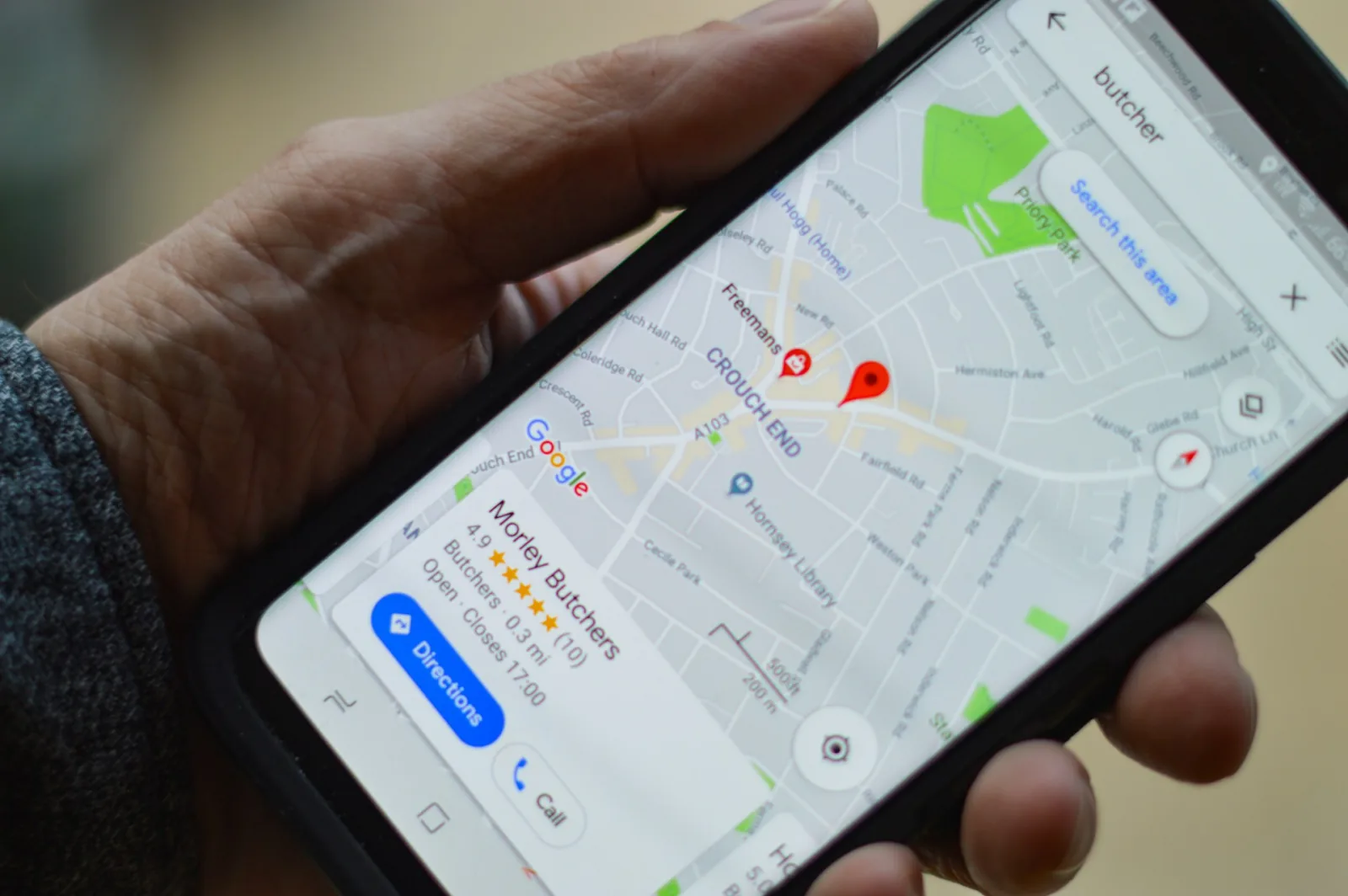
Search engines may look like endless lists of blue links, but for local businesses, the real battlefield is Google Maps. Showing up in the “Map Pack”, those top three map listings that sit above the organic results, often determines whether a customer chooses you or a competitor down the street.
Here’s a stat that should sharpen your focus: according to Webfx statistics, 80% of local searches lead to conversions. And because most of the clicks flow to businesses featured in the Map Pack, the advantage of visibility here is undeniable.
Local SEO is the discipline of making sure your business is the one people see when they search nearby. It’s not a gimmick; it’s a structured set of actions that align your online presence with real-world demand.
This article cuts through the noise and highlights the ranking factors that actually move the needle for Google Maps visibility and why they matter.