
Did you know that 88% of consumers who perform a local search on their smartphone visit or call a business within 24 hours? That's right – almost 9 out of 10 local searchers are ready to take immediate action.
As a pest control business owner, your success depends on being visible exactly when local customers need you. Whether they're dealing with a sudden ant invasion, discovering termites in the attic, or planning preventative treatment, your ability to appear in those critical "near me" searches can make or break your growth.
In this comprehensive guide, we'll explore over 50 eye-opening local SEO statistics organized into key categories that will transform how you approach your digital marketing strategy. More importantly, we'll show you exactly how to leverage these insights to attract more leads, book more jobs, and outshine your competition.
After all, in the pest control business, being findable online is almost as important as being able to find those carpenter ants hiding in the walls. Let's dig in!

Written By: Chad J. Treadway | September 02, 2025
Chad is a Partner and our Chief Smarketing Officer. He will help you survey your small business needs, educating you on your options before suggesting any solution. Chad is passionate about rural marketing in the United States and North Carolina. He also has several certifications through HubSpot to better assist you with your internet and inbound marketing.
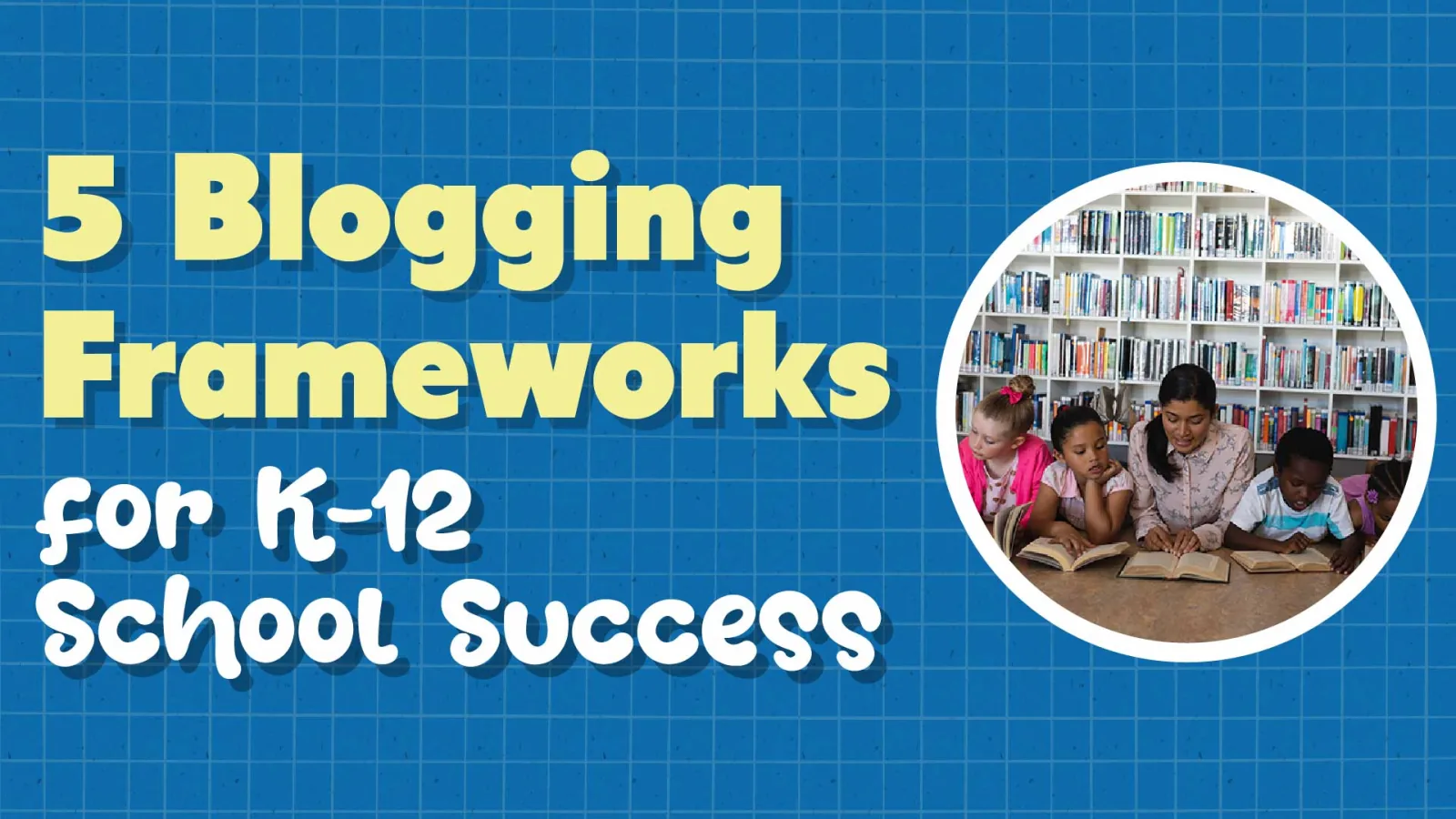
Let's be honest: attracting families to your private school in 2025 is about as easy as getting middle schoolers to put down their phones during lunch. In an era where parents have unprecedented options and increasingly sophisticated decision-making processes, schools that rely solely on traditional marketing are being left behind faster than last year's TikTok trends.
But here's the thing: while your competitors are still sending glossy brochures into the void, you have an opportunity to transform your digital presence into an enrollment-generating machine. The secret weapon? Strategic content frameworks that align perfectly with how modern parents actually make educational decisions for their children.
Whether you're a marketing director struggling to show ROI, a principal trying to maintain enrollment numbers, or an administrator working with limited resources, this guide will provide you with practical, proven frameworks to elevate your school's content strategy from "occasionally we post something" to "we're the educational authority in our market."

Written By: Adam Bennett | September 01, 2025
Adam is the president and founder of Cube Creative Design and specializes in private school marketing. Since starting the business in 2005, he has created individual relationships with clients in Western North Carolina and across the United States. He places great value on the needs, expectations, and goals of the client.
If you're running a home service business and wondering why your phone isn't ringing despite having a website, you're not alone. The local search environment has become more complex than a tangled mess of Christmas lights, but the good news is? Once you understand the game, you can absolutely win it.
Local search isn't just important for home service businesses—it's everything. When someone's water heater decides to take an unexpected vacation at 2 AM, they're not browsing through the Yellow Pages. They're grabbing their phone and searching "emergency plumber near me." If you're not showing up in those crucial moments, you're missing out on high-value jobs that could make or break your month.
Here's what the data tells us:
- 46% of all Google searches have local intent (Source: BrightLocal)
- 80% of people who search for local services on their phone actually call or visit a business within 24 hours (Source: BrightLocal)
- Around one-in-five Google searches in March 2025 produced an AI summary (Source: Pew Research Center)
- Emergency home services see conversion rates reach 88% (Source: Wiremo )
- Google users are less likely to click on links when an AI summary appears in the search results compared to searches without AI summaries (Source: Pew Research Center)
That's not just statistics—that's your livelihood walking out the door to your competitors who understand effective small business marketing strategies.
Written By: Chad J. Treadway | September 01, 2025
Chad is a Partner and our Chief Smarketing Officer. He will help you survey your small business needs, educating you on your options before suggesting any solution. Chad is passionate about rural marketing in the United States and North Carolina. He also has several certifications through HubSpot to better assist you with your internet and inbound marketing.
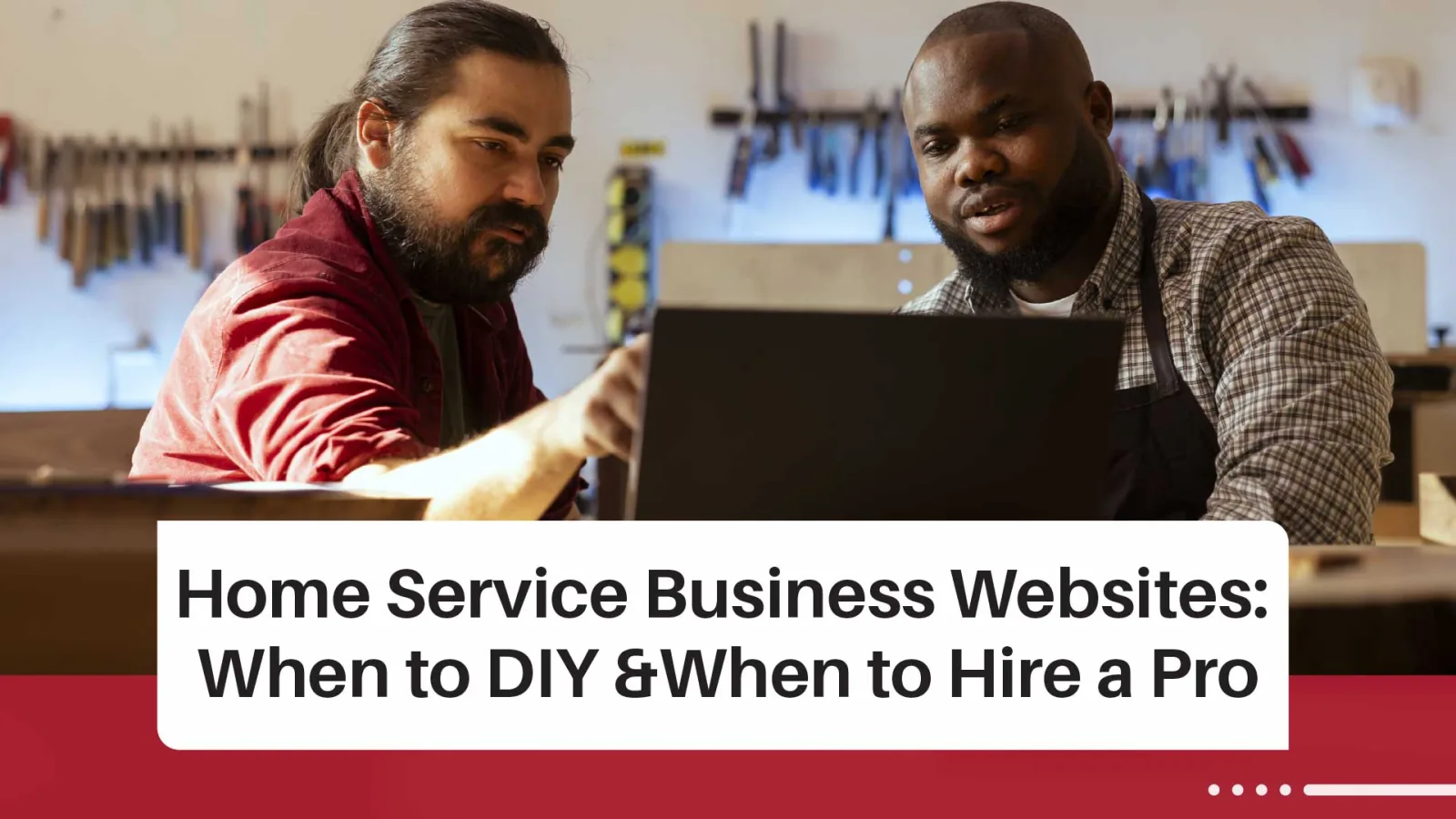
Your home service business needs a website; that's a given in today's always-connected world. But the real question keeping you up at night is whether to build it yourself or hire a professional. Let's face it: your website is often the first impression potential customers have of your business. It's like showing up to a client's home in either a polished, branded truck or a beat-up van with a missing hubcap.
You could certainly take the DIY route with website builders like Wix or Squarespace. You might even know someone's nephew who "does websites" for the price of a pizza and some energy drinks. But before you decide, let's explore what this decision really means for your home service business, whether you're handling renovations, cleaning services, property maintenance, or any other home-related service.
Written By: Chad J. Treadway | September 01, 2025
Chad is a Partner and our Chief Smarketing Officer. He will help you survey your small business needs, educating you on your options before suggesting any solution. Chad is passionate about rural marketing in the United States and North Carolina. He also has several certifications through HubSpot to better assist you with your internet and inbound marketing.