Picture this: Your admissions team celebrates enrolling 20 new students while 25 current families quietly decide not to return—a net loss of five students and approximately $150,000 in revenue that you'll discover far too late to prevent.
For a mid-sized K-12 private school charging $30,000 in annual tuition, losing just 10 students means kissing goodbye to $300,000 in revenue—an entire teacher salary or two, a facility upgrade, or that STEAM program your curriculum director has been requesting. And that's just for one year; the actual lifetime value loss could easily exceed $1 million.
The most frustrating part? Most schools only discover these departures after families have already enrolled elsewhere. It's like driving a car where the check engine light only illuminates after the transmission has fallen out on the highway.
What if, instead, you had an early warning system that could identify at-risk families months before they decide to leave? Private schools implementing systematic retention automation routinely preserve six-figure revenue, often exceeding $300,000 annually, by addressing family concerns before they become departure decisions. This approach is especially critical given that the National Association of Independent Schools (NAIS) reports "the median attrition rate for NAIS member schools has remained fairly steady over time, increasing over the last five years from 7.6 percent to 7.8 percent."
This guide will show you how to build early warning systems, implement automated satisfaction measurement, design communication workflows for at-risk families, and optimize your re-enrollment campaigns—all with minimal ongoing effort from your already maxed-out team.
Ready to transform your retention approach from reactive damage control to proactive relationship management? Let's dive in.

Written By: Adam Bennett | July 14, 2025
Adam is the president and founder of Cube Creative Design and specializes in private school marketing. Since starting the business in 2005, he has created individual relationships with clients in Western North Carolina and across the United States. He places great value on the needs, expectations, and goals of the client.
Running a pest control business means you're great at eliminating unwanted visitors—except when those visitors are potential customers. Between seasonal revenue fluctuations (60-80% swings in some markets), fierce local competition from both independents and national chains, DIY solutions cutting into your market share, and the constant pressure to keep your schedule filled, marketing often takes a backseat to your core operations. But without effective content marketing, you're leaving money on the table while competitors scurry away with your customers. This playbook will help you build a strategic content system that generates leads year-round without requiring a marketing department or a massive budget.

Written By: Chad J. Treadway | July 14, 2025
Chad is a Partner and our Chief Smarketing Officer. He will help you survey your small business needs, educating you on your options before suggesting any solution. Chad is passionate about rural marketing in the United States and North Carolina. He also has several certifications through HubSpot to better assist you with your internet and inbound marketing.
Remember the last time you joined a gym? You signed the contract, handed over your credit card, and then... nothing. No tour, no equipment orientation, no follow-up. Just a "figure it out yourself" approach that left you questioning your life choices. That's exactly how new parents feel when private schools drop the ball on onboarding.
Let's face it: your admissions team worked miracles to get those enrollment contracts signed. But what happens next could make or break your parent relationships for years to come. And if you're running a smaller school like Greenfield Academy, where every staff member wears multiple hats and your marketing budget wouldn't cover a decent coffee machine, the challenge is even greater.
The truth? Most private schools are excellent at educating children, but woefully unprepared for the logistics of properly integrating new families. The good news is that an effective parent onboarding process doesn't require a Fortune 500 budget or a dedicated department – just strategic planning and consistent execution.
In this comprehensive guide, we'll explore how to develop a parent onboarding system that creates fierce loyalty from day one, reduces administrative headaches, and sets realistic expectations – all without requiring resources you don't have. We'll cover essential frameworks, communication strategies, and integration points that even the most resource-constrained schools can implement.
Written By: Adam Bennett | July 14, 2025
Adam is the president and founder of Cube Creative Design and specializes in private school marketing. Since starting the business in 2005, he has created individual relationships with clients in Western North Carolina and across the United States. He places great value on the needs, expectations, and goals of the client.
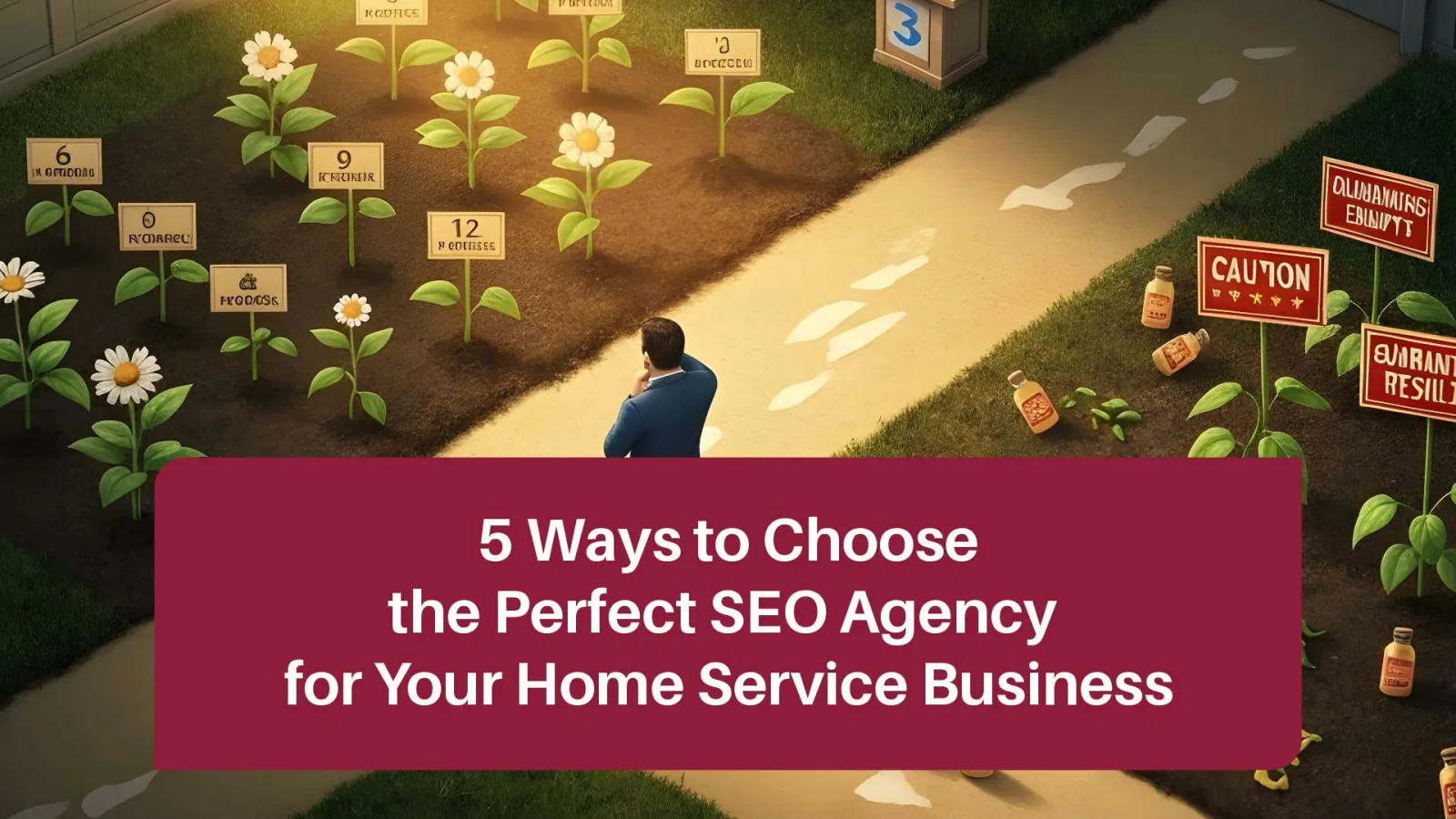
Let's face it: your home service business might offer the best plumbing, roofing, or remodeling services in Western North Carolina, but if potential customers can't find you online, you might as well be invisible.
In today's digital landscape, a strong SEO strategy isn't a luxury—it's survival equipment. But here's the uncomfortable truth most marketing blogs won't tell you: hiring the wrong SEO agency is worse than hiring no agency at all. Not only will you waste your hard-earned money, but you might actually damage your online reputation in the process.
The SEO industry is plagued with agencies promising "page one rankings in 30 days" and "guaranteed results" that sound fantastic until you realize they're about as realistic as promising to make it stop raining during hurricane season. Between the snake oil salesmen and the genuinely qualified professionals lies a vast gray area that can be difficult to navigate.
This guide will arm you with the knowledge to make an informed decision before signing that SEO contract. Whether you run a small handyman service in Asheville or a large commercial cleaning operation in Charlotte, these five essential steps will help you find an SEO partner that delivers real value, not just fancy reports and empty promises.
Written By: Adam Bennett | July 14, 2025
Adam is the president and founder of Cube Creative Design and specializes in private school marketing. Since starting the business in 2005, he has created individual relationships with clients in Western North Carolina and across the United States. He places great value on the needs, expectations, and goals of the client.