
Picture this: It's 7:30 AM on a Monday. Three customers are already calling about scheduling mix-ups, your technician can't find the Johnson residence because nobody wrote down the gate code, and Mrs. Peterson is leaving a one-star review because "nobody told her" about the additional parts fee. Sound painfully familiar? Welcome to the communication crisis quietly sabotaging home service businesses everywhere.
The numbers don't lie: Most customers stop doing business with a company after a poor communication experience. For home service businesses, where the average customer lifetime value exceeds $10,000, losing a single customer to poor communication is like throwing a stack of cash into a running garbage disposal.

Written By: Chad J. Treadway | March 24, 2025
Chad is a Partner and our Chief Smarketing Officer. He will help you survey your small business needs, educating you on your options before suggesting any solution. Chad is passionate about rural marketing in the United States and North Carolina. He also has several certifications through HubSpot to better assist you with your internet and inbound marketing.
Let's face it – running a home service business isn't exactly a walk in the park (or a stroll through someone's perfectly maintained backyard, for that matter). Between juggling emergency calls, seasonal fluctuations, and keeping your customer base growing, you've got your hands full. But what if I told you there's a marketing tool so powerful it could practically pay for your next work truck?
Enter email marketing – the unsung hero of the home service industry that's about to become your new best friend. According to The Direct Marketing Association, email marketing generates an average return of $42 for every $1 spent. That's better than finding a forgotten $20 in your work pants! (Though, let's be honest, that's pretty great too.)

Written By: Adam Bennett | March 24, 2025
Adam is the president and founder of Cube Creative Design and specializes in private school marketing. Since starting the business in 2005, he has created individual relationships with clients in Western North Carolina and across the United States. He places great value on the needs, expectations, and goals of the client.

Are TikTok hashtags still relevant? Do they hold any importance? Once you decide to adopt TikTok as a significant marketing platform, these questions are likely to cross your mind.
Well, TikTok hashtags have a crucial role to play in the overall TikTok strategy. If you haven't yet adopted TikTok marketing, you're probably lagging behind a lot. In 2023 itself, 120.5 million users used TikTok in the United States.
Implementing the right strategies and TikTok hashtag analytics can go a long way to ensure the target audience easily finds you. It also helps in creating relevant content so that the audience feels connected to it.
Let's learn how to level up your TikTok strategy online with the right hashtags.
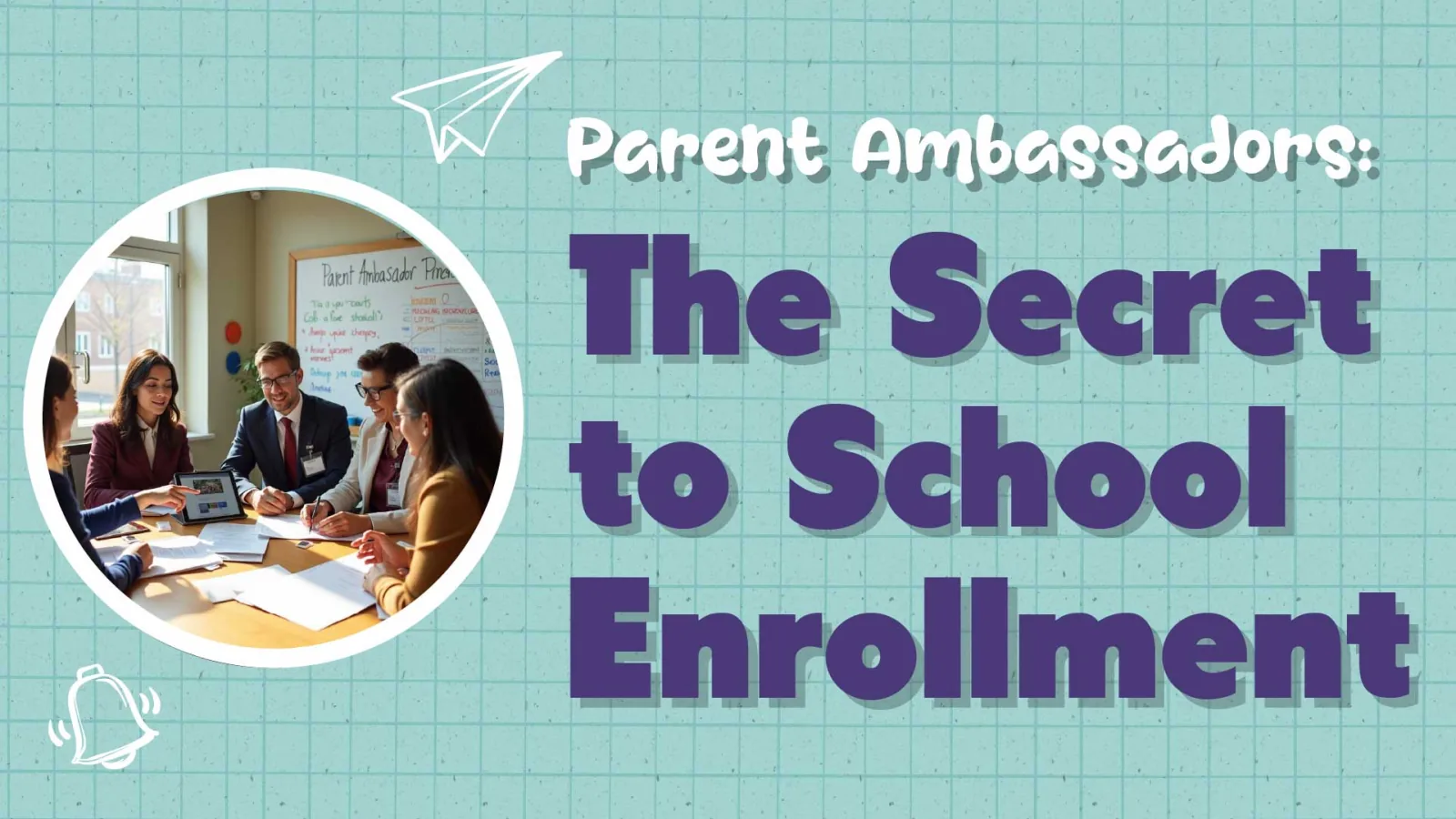
Let's face it—no marketing campaign, glossy brochure, or perfectly crafted website can compete with the authentic enthusiasm of a satisfied parent. In the competitive landscape of private education, word-of-mouth remains the gold standard for enrollment marketing. Parent ambassador programs formalize this powerful channel, transforming your most enthusiastic families into strategic partners in your school's growth.
At the fictional Greenfield Academy, Director of Admissions Jordan Grayson saw a substantial increase in applications after implementing a structured parent ambassador program. "Parents trust other parents far more than they trust us," Grayson admits with refreshing candor. "Our ambassadors provide that crucial peer perspective that resonates with prospective families."
Whether you're launching a new program or revitalizing an existing one, this guide provides the framework for success. And for private schools engaged in school marketing in Seattle, WA, where educational options abound, a strong ambassador program can be the competitive edge you need.
Written By: Adam Bennett | March 19, 2025
Adam is the president and founder of Cube Creative Design and specializes in private school marketing. Since starting the business in 2005, he has created individual relationships with clients in Western North Carolina and across the United States. He places great value on the needs, expectations, and goals of the client.