
Here is something your accountant probably never mentioned. You know more about your customers than their bank does.
Think about what sits in your system right now. Home addresses. Credit cards on file from last spring's AC install. Bank details for recurring payments. Gate codes, alarm codes, and notes about which homes sit empty on weekdays. A bank knows a balance. You know how to get inside the house.
That is the reality of customer data protection for a home service company, and it gets more complicated with every technician you add. This guide is for the owners and operations managers we work with at home services companies, the ones running a real CRM, processing cards in the field, and trying to scale without turning their data into a liability.

Written By: Chad J. Treadway | July 20, 2026
Chad is a Partner and our Chief Smarketing Officer. He will help you survey your small business needs, educating you on your options before suggesting any solution. Chad is passionate about rural marketing in the United States and North Carolina. He also has several certifications through HubSpot to better assist you with your internet and inbound marketing.
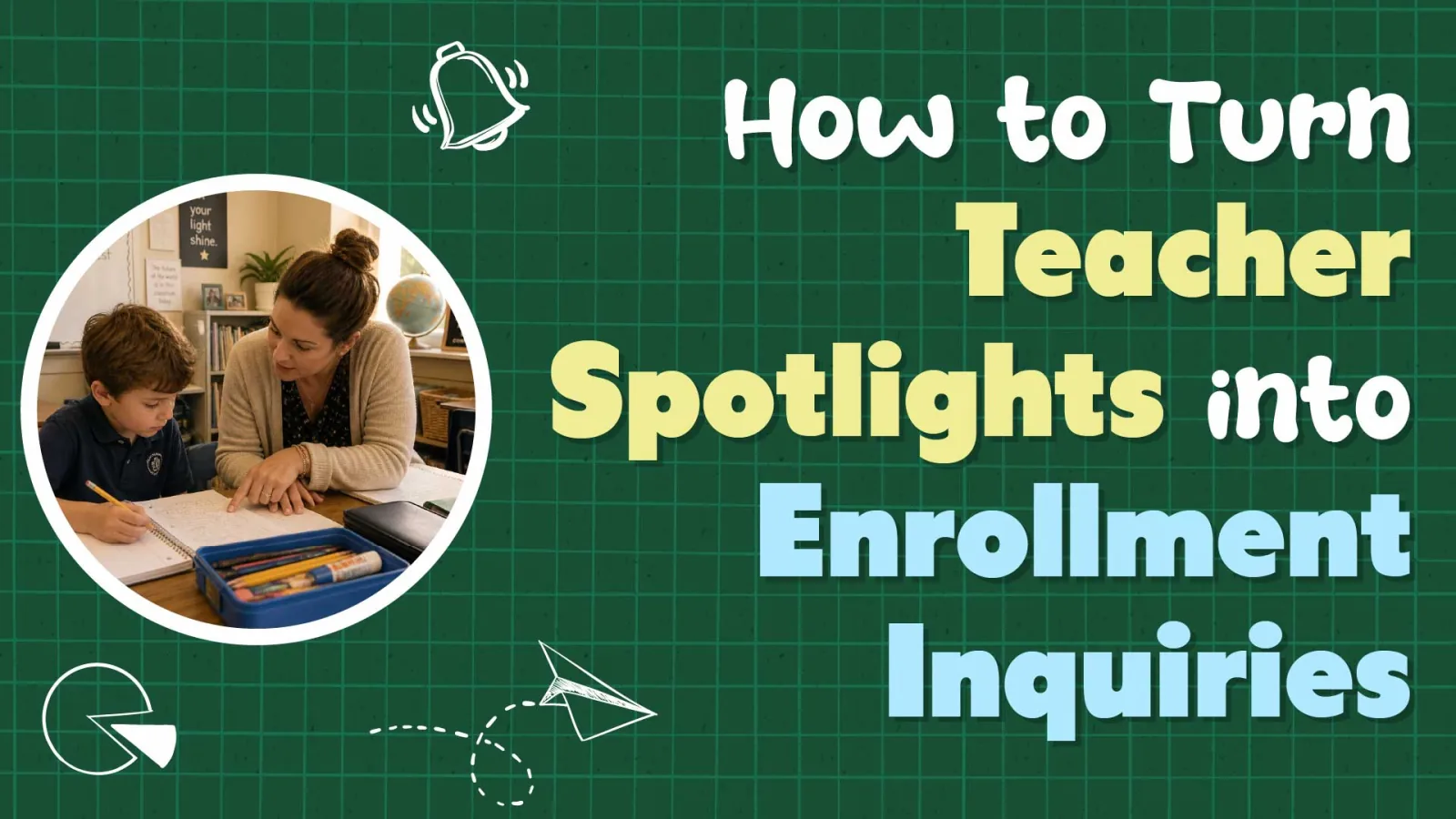
Walk a prospective family through your hallways and watch where they slow down. It is rarely the trophy case or the mission statement on the wall. It is the moment a teacher kneels to a student's eye level, or a staff member greets a kid by name. That is the school families are actually trying to buy, and faculty content marketing is how you put it in front of them. If you lead a faith-based or independent school, your teachers are the reason families stay, and they can be the reason new families come. At Cube Creative Design, we help faith-based and independent schools turn the people who already make their school special into content that earns family trust. This post explains how faculty features work, why families respond to them, and how a small team can produce them without a budget or a film crew.

Written By: Hannah Kilpatrick | July 17, 2026
Hannah Kilpatrick Cube Creative DesignHannah Kilpatrick graduated from Western Carolina University in 2021 with a Bachelor of Science in Communication with a Minor in Marketing and a Concentration in Public Relations. She has been around social media since its creation. (Meaning, she was in the first grade when Facebook became available to the general public.) As our very own professional Gen-Z, Hannah is a whiz when it comes to social media creation and paid advertising.

Running a small business often means you find yourself wearing too many hats. One minute you’re dealing with customers, the next you’re chasing invoices, updating your website, sorting emails, or trying to make sense of marketing reports. While this works in the early days, you’ll find it getting harder as your business grows.
Small business outsourcing provides a practical solution for owners who want to bring in help for specific tasks, without the cost or commitment of hiring a full-time employee.

Website design and optimization advice is often offered as a set of generalized guidelines. These actions are supposed to work for anyone, regardless of their area of expertise, target audience, or immediate goals.
Applying web design tips without first considering their appropriateness can work. But the more likely scenario is that they simply won’t yield positive outcomes — just like running expensive ad campaigns without a clear strategy.
Of course, some web optimization tactics are recommended for all businesses. This includes mobile and site speed optimization, adherence to accessibility standards, and SEO. Nonetheless, outstanding results demand a far more personalized approach. This is why your website’s design and performance must align with your specific goals.
So, how can you improve your site’s ability to build trust, generate leads, establish authority, and convert new customers? Here are the most important website lessons you need to learn, coming from brands with very different goals.